By clicking “Accept All Cookies”, you agree to the storing of cookies on your device to enhance site navigation, analyze site usage and assist in our marketing efforts. More info
By clicking “Accept All Cookies”, you agree to the storing of cookies on your device to enhance site navigation, analyze site usage and assist in our marketing efforts. More info
Thank you! Your submission has been received!
Oops! Something went wrong while submitting the form.
Creative economy, CreaTech
Innovation-led £500m funding package confirmed
updated
February 17, 2026
Published on:
January 21, 2026
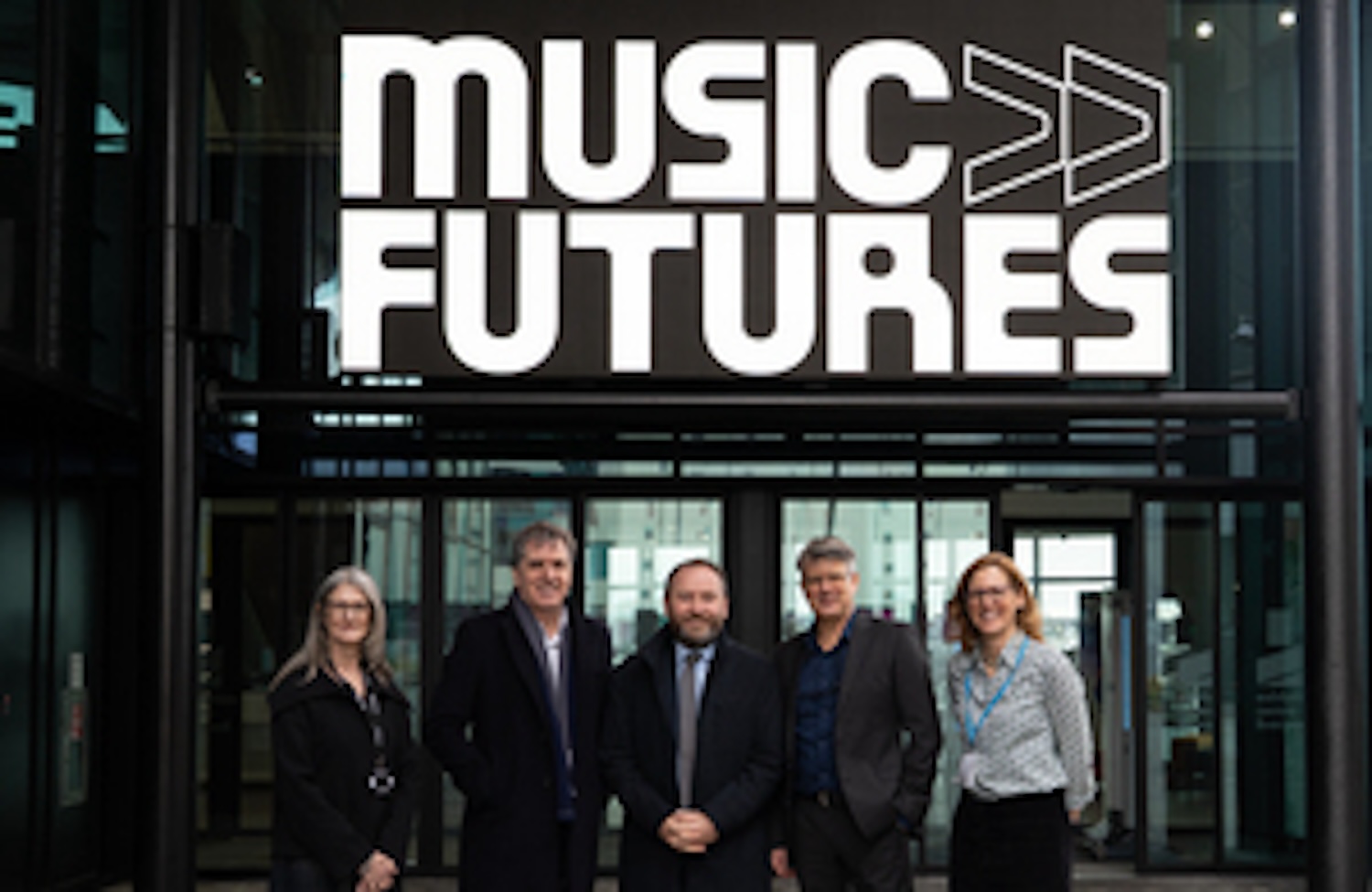
Creative Industries Minister Ian Murray (centre) called on UK regions to bid for funding to grow innovative creative businesses (Image: DCMS)
Creative Industries Minister Ian Murray detailed a significant package of funding and support for the UK creative industries during a visit to Liverpool, an area renowned for its global impact on the music industry and the base for more than 1,400 music businesses.
As part of its delivery of the next phase of the Industrial Strategy’s Creative Industries Sector Plan, the Government confirmed funding totalling at least £500m over three years with a focus on supporting innovation and R&D across the UK creative industries.
This provides detail on:
£369 million announced in December by UKRI (UK Research and Innovation) over the term of the Spending Review, of which £100 million is specifically dedicated to supporting innovative companies.
£25 million secured at the 2025 Spending Review for the DCMS Createch Futures programme (renamed from Creative Futures)
£155 million to develop creative economy infrastructure through the DiSCCO (Distributed System of Scientific Collections) programme, an initiative to digitise the nation’s natural science collections
Investment in the Creative Content Exchange, a future trusted digital marketplace for digitised cultural and creative assets, through the Research and Development Missions Accelerator Programme.
Developed with input from the Creative Industries Policy and Evidence Centre, updated guidance from the HMRC tax body on the research and development tax relief will also make it clearer when creative businesses can apply for support for eligible interdisciplinary innovation, as outlined in the Creative Industries Sector Plan.
Aligned with this funding support, UKRI has published the R&D Strategy for the Creative and Cultural Economy. Highly innovative creative businesses across the country are set to benefit from UKRI programmes that will deliver public and private investment, develop new creative technology and create more opportunities for British businesses to sell internationally or seek investment.
UKRI’s high-level strategy for the Creative and Cultural Economy will inform the design of programmes that aim to ensure research and innovation drives and sustains growth over the next 10 years and will be further developed in collaboration with the Creative Industries Council over the next six months.
This package of measures is a result of the partnership between industry and government through work with the Creative Industries Council, Creative Industries Taskforce and Creative Industries Policy and Evidence Centre, and demonstrates the progress being made in delivering the Industrial Strategy, focusing on the innovation commitments made in the Creative Industries Sector Plan.
Minister Murray also invited UK regions to bid for £27 million in funding to grow their own clusters of cutting-edge creative businesses and replicate the success of the Liverpool City Region. In 2024, the Liverpool City Region was awarded nearly £7 million as the UK’s leading music innovation and technology cluster.
This funding element aims to help to boost economic growth in the winning areas, forging lasting partnerships between creative enterprises and universities, while creating training and job opportunities and driving the development of innovative new content, products and services in sectors such as film, TV, video games, fashion and music.
Creative Industries Minister Ian Murray said he was pleased to launch "the search for the next hotbeds of creative excellence to support".
Minister Murray said: "We’ve seen the transformative impact that government investment has had on Liverpool City Region’s music industry, helping innovative projects like MusicFutures flourish. In our Industrial Strategy, we committed to driving growth and building on the regional clusters of creativity that exist across the UK.
"I am pleased to launch the search for the next hotbeds of creative excellence to support. As part of a record settlement of research and development funding over the next three years and beyond, we are going to help artists, entrepreneurs and businesses up and down the country to innovate with new technologies, attract investment and nurture talent."
He joined an event hosted by Music Futures (pictured), a government-funded partnership for innovation in music delivered collaboratively by the University of Liverpool, Liverpool John Moores University and Liverpool City Region Combined Authority.
Professor Christopher Smith, UKRI sector champion for the creative industries and Executive Chair of the Arts and Humanities Research Council, said: "UKRI has confirmed a record investment in the creative industries because they are vital to the UK’s prosperity and to driving economic growth through the industrial strategy. But for that scale of investment to deliver maximum benefit, we need to ensure it is used wisely and strategically."
Prof. Smith said UKRI's R&D strategy for the creative and cultural economy was "the most connected and coherent investment we have ever made in the sector, building on past success, and will help us keep the creative and cultural sector at the heart of the UK economy."



.jpg)
